
Mindfulness Practices That May Actually Work
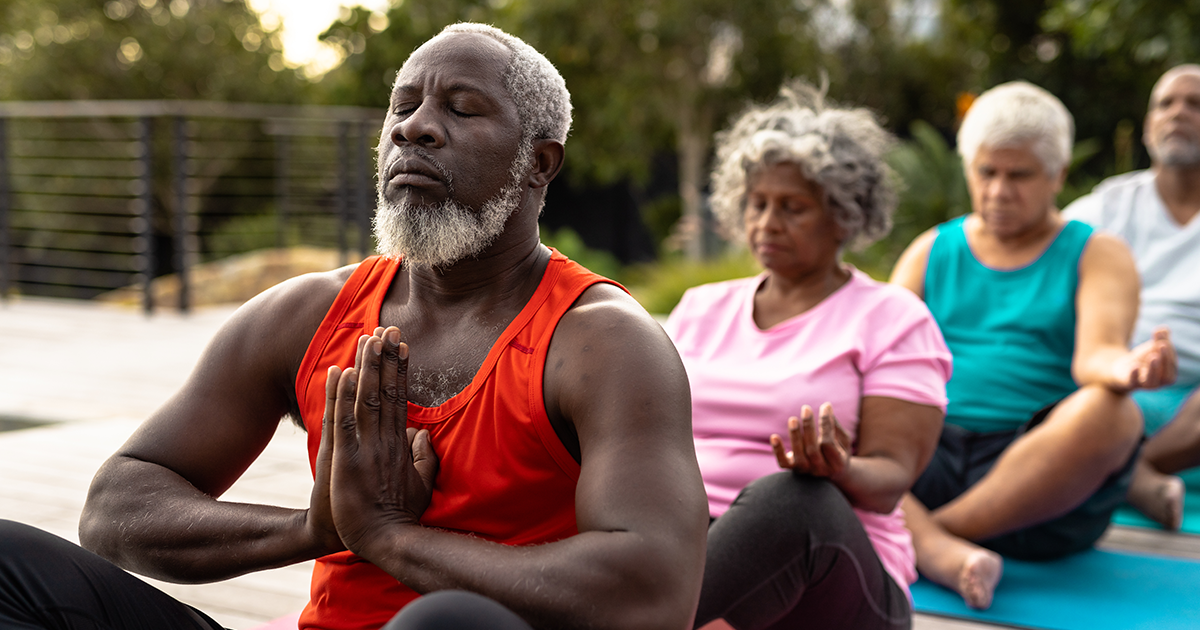
May is a great time to slow down and reset. As the days get longer and routines shift, many people start thinking about their health in a fresh way. If stress, high blood pressure, or trouble sleeping have been on your mind, mindfulness may help. But not all practices are the same—and some have stronger research behind them.
What is mindfulness?
Mindfulness means paying attention to the present moment. It’s about noticing your thoughts, feelings, and surroundings without judging them.
You don’t need special tools or long sessions. Even a few minutes a day can make a difference. Research shows mindfulness can help lower stress, improve sleep, and support overall health. [1]
Here are some simple mindfulness habits that can have wide-ranging benefits and are easy to try.
1. Deep breathing (slow, steady breaths)
One of the easiest ways to practice mindfulness is through your breath.
Try this:
- Breathe in slowly through your nose for 4 seconds
- Hold for 2–3 seconds
- Breathe out slowly through your mouth for 6 seconds
- Repeat for 5 minutes
Why it works:
Slow breathing helps calm your nervous system. It can lower heart rate and blood pressure, which is helpful for people managing stress or hypertension. [2]
2. Body scan meditation
This practice helps you notice tension in your body and gently relax it.
Try this:
- Sit or lie down in a quiet place
- Focus on one part of your body at a time (feet, legs, stomach, etc.)
- Notice how each area feels
- Relax each area as you move upward
Why it works:
Body scan meditation can reduce stress and improve sleep. It also helps you become more aware of physical discomfort so you can respond earlier. [3]
3. Mindful walking
You don’t have to sit still to be mindful. Walking can be a great option.
Try this:
- Walk at a slow, steady pace
- Focus on how your feet feel on the ground
- Notice your breathing and your surroundings
- If your mind wanders, gently bring it back
Why it works:
Mindful walking combines movement and awareness. It can improve mood, support heart health, and make daily activity feel more enjoyable. [2]
4. Guided meditation
If you’re not sure where to start, guided meditation can help.
Try this:
- Use a simple audio guide (many are free online)
- Follow the speaker’s instructions
- Start with just 5–10 minutes
Why it works:
Guided meditation can make mindfulness easier to learn. Regular practice has been shown to reduce anxiety and improve overall well-being. [1]
5. Gratitude practice
This is a simple way to shift your focus to positive moments.
Try this:
- Write down three things you are thankful for each day
- They can be small (a good meal, a phone call, a sunny day)
Why it works:
Gratitude practices are linked to better mood and lower stress. Over time, they can help you feel more positive and resilient. [4]
Tips to make mindfulness a habit
Start small—just a few minutes a day
Pick a time that fits your routine (morning or before bed)
Be patient—progress takes time
Keep it simple and consistent
You don’t need to be perfect. What matters is showing up and trying.
A simple step toward better health
Mindfulness is not about clearing your mind. It’s about paying attention in a calm, gentle way. These small moments can add up to big benefits—especially for your heart, sleep, and stress levels.
This May, consider adding one of these practices to your day. Even a few quiet minutes can help you feel more in control of your health.
Meditation and Mindfulness: What You Need To Know. National Institutes of Health.
Stress Management. American Heart Association.
Meditation. Mayo Clinic.
Coping with Stress. Centers for Disease Control and Prevention.