
Heart-Healthy Eating: Tips from Two Popular Diets
It’s easy to get lost in the guidelines for heart-healthy eating. The good news is that you don’t need a long list of food rules to succeed. The DASH diet and the Mediterranean diet are two popular heart-healthy eating styles that offer simple tips you can start using today. [1,2]
What is heart-healthy eating?
Heart-healthy eating means choosing foods that support your heart, blood pressure, and overall health. It focuses on balance, not perfection. Small changes can make a real difference over time. [1,3]
The DASH diet: simple and steady
DASH stands for Dietary Approaches to Stop Hypertension. It was designed to help lower blood pressure and support heart health.
Key tips from DASH:
Eat more fruits and vegetables
Choose whole grains like oatmeal or brown rice
Include low-fat dairy, beans, nuts, and seeds
Limit salt, sugary drinks, and processed foods
Many people like DASH because it uses familiar foods and clear portions. [2]
The Mediterranean diet: flavorful and flexible
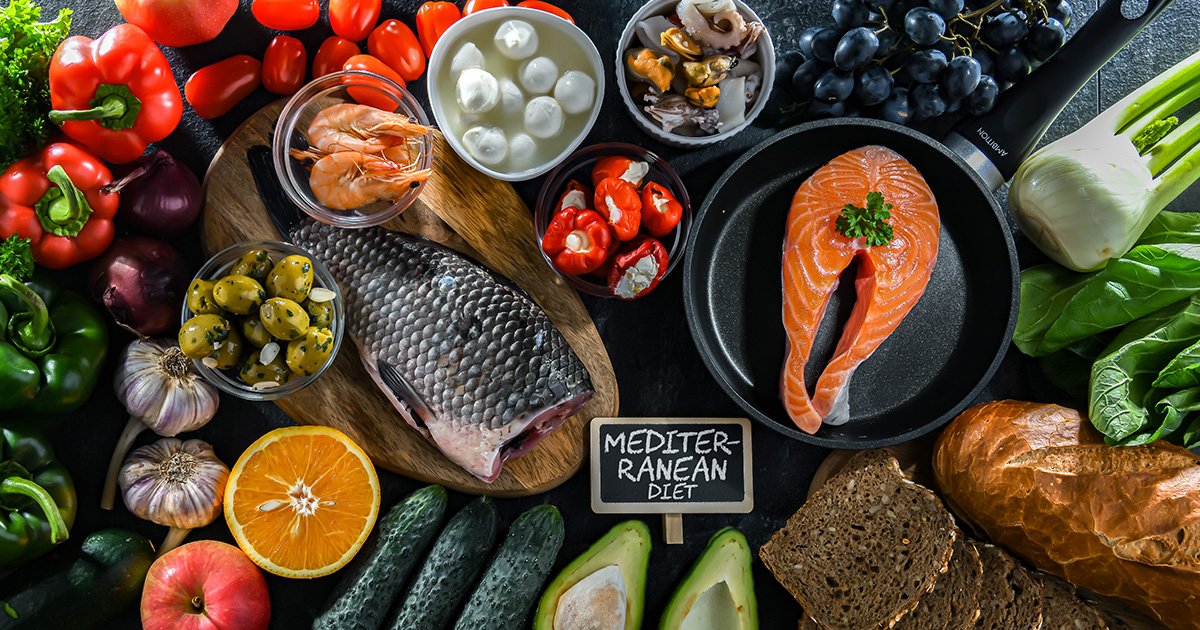
The Mediterranean diet is based on traditional eating patterns in countries like Greece and Italy. It’s less about strict rules and more about long-term habits.
Key tips form the Mediterranean diet:
Eat plenty of vegetables, fruits, and whole grains
Choose healthy fats, especially olive oil
Include fish and seafood a few times a week
Make room for beans, nuts, and seeds
Allow red meat and sweets only once in a while
Meals are meant to be enjoyed and eaten mindfully. [2]
Why these approaches work
Both DASH and Mediterranean diets:
Support healthy blood pressure and cholesterol
Help reduce the risk of heart disease and stroke
Are linked to better overall health and energy
They also allow room for personal taste, culture, and budget. [1,3]
Getting started, one step at a time
You don’t need to change everything at once. Try one small step:
Add a vegetable to lunch or dinner
Swap butter for olive oil
Choose fish instead of red meat once a week
Rinse canned beans to lower sodium
Every healthy choice counts. Over time, these small changes can add up to a stronger heart and a healthier you. [1,3]